


The Wisdom of the Heart
How to Stop Overthinking: The Buddhist Approach
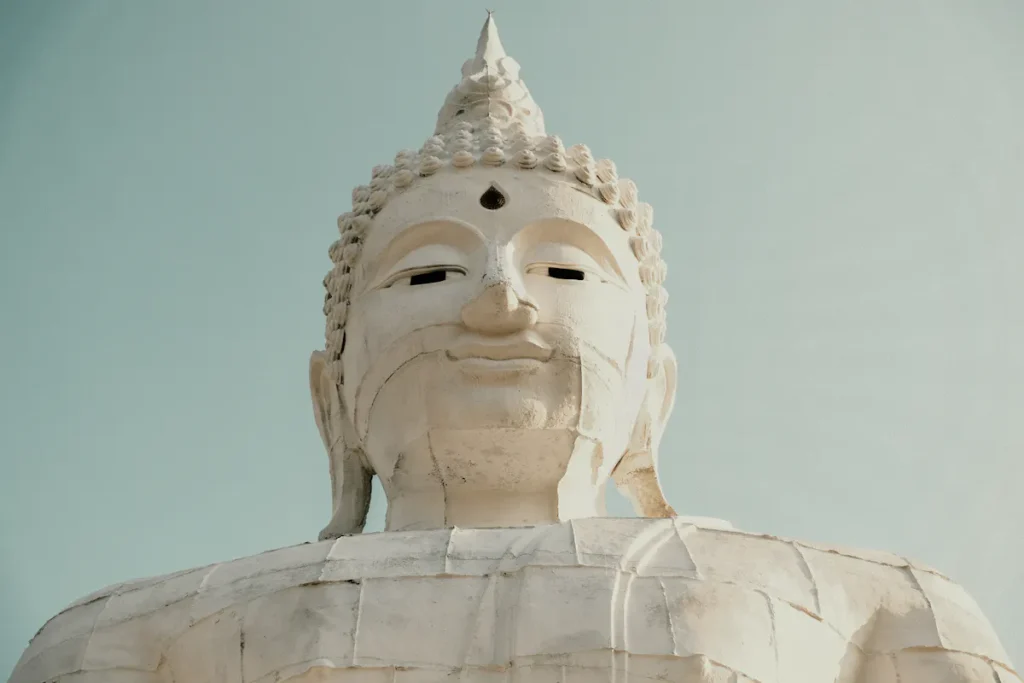
Buddhism traces overthinking to a specific mechanism called papañca, mental proliferation, the mind’s tendency to take one thought and spin it into dozens. The Buddhist approach doesn’t aim to stop thoughts. It aims to interrupt the spinning.
We’ve all been there. It’s 11 PM, and what started as a small worry about tomorrow’s meeting has somehow become a full reconstruction of every professional failure you’ve ever had. You didn’t choose to go there. The mind just… went. That particular kind of suffering has a name in Buddhist teaching. And naming it is where the work begins.
> Key Takeaways > – Buddhism calls the overthinking mechanism papañca, mental proliferation, the process by which one thought generates ten more > – The goal is not to stop thinking. It’s to interrupt the chain before it becomes a spiral > – “Monkey mind” (kapicitta) describes the restless quality; papañca is the deeper engine driving it > – Four Buddhist practices, noticing the chain, returning to the body, the “useful right now?” test, and working with gaps, address overthinking at the root > – Overthinking is not a thinking problem. It’s an awareness problem, and awareness can be trained
—
What Buddhism Actually Calls This
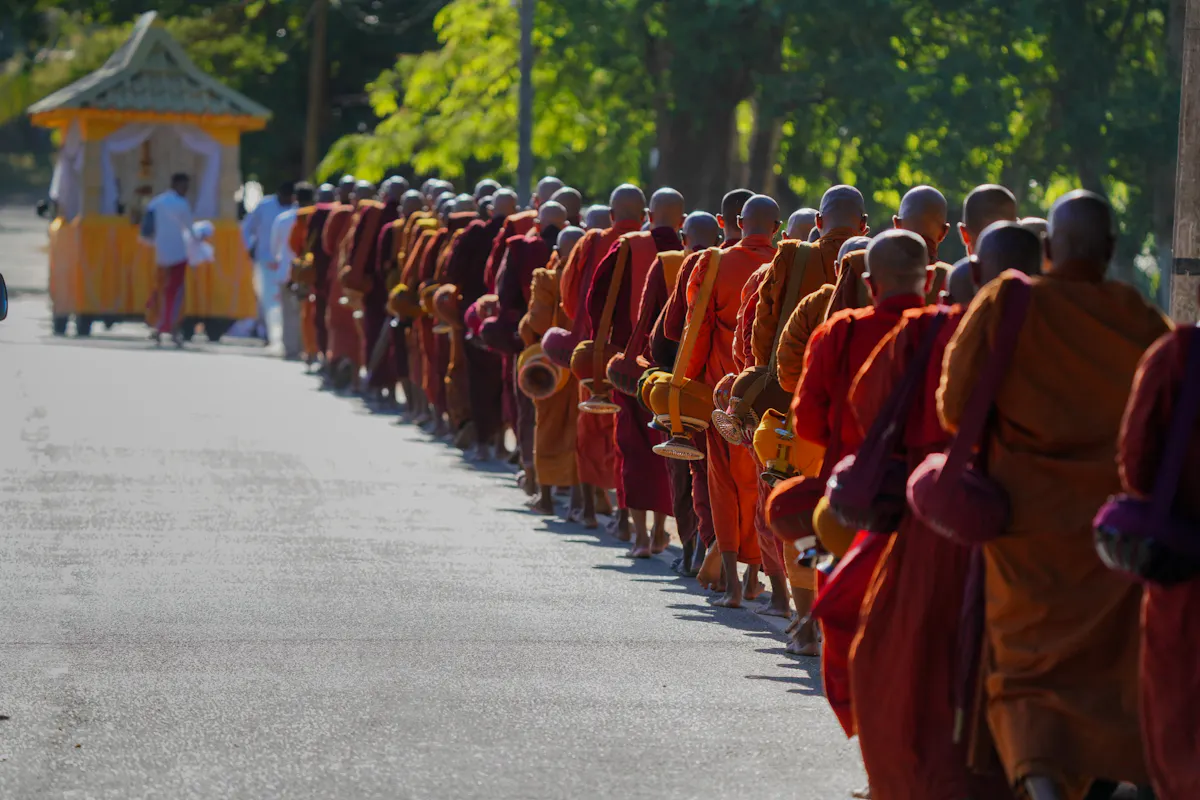
Buddhism has two names for what we call overthinking, and the distinction matters.
The first is kapicitta, often translated as “monkey mind.” This describes the restless, jumping quality of a mind that cannot settle: thought to thought to thought, like a monkey swinging from branch to branch. It captures the feeling of overthinking, the agitation, the inability to land anywhere.
The second, deeper concept is papañca (Sanskrit: prapañca), mental proliferation. Where monkey mind describes the symptom, papañca names the mechanism. A neutral thought arises: I need to send that email. Then the mind adds: Why haven’t I sent it yet? Because I’ve been procrastinating. Why do I procrastinate? Because I’m afraid of failure. What if I actually am a failure? Each thought spawns the next. The original thought is gone, buried under twenty layers of interpretation.
The Buddha taught that papañca is one of the primary sources of suffering, not because thinking is bad, but because the mind mistakes its own commentary for reality. We suffer not from what happened, but from the story we build around what happened.
This reframe is the starting point for everything that follows.
—
Why “Stop Thinking” Is the Wrong Goal

Every approach that tries to force the mind into silence tends to backfire. Meditation teachers across traditions report the same thing: the harder you try not to think, the louder the thoughts become.
Buddhism understood this long before modern psychology named it. The practice is not suppression, it’s recognition. You are not trying to empty the mind. You are training the capacity to see a thought as a thought, rather than as truth.
The practice of mindfulness (sati) is built on this principle. You don’t push thoughts away. You notice them arising, recognize them for what they are, mental events, not facts, and gently return your attention to the present moment. The thought may come back. You notice it again. Return again.Over time, this practice doesn’t produce a quieter mind. It produces a different relationship with the noise. The thoughts continue; the suffering decreases. This is the actual goal.
As one Buddhist teacher put it: “Overthinking isn’t a thinking problem. It’s an awareness problem.” Awareness, the capacity to observe your own mind, is something that can be trained.
—
Four Buddhist Practices for Overthinking

These aren’t abstract principles. Each is a concrete interruption you can apply in real time.
1. Name the chain, not the thoughtWhen you notice yourself spiraling, the instinct is to engage with the content, to argue with the thought, analyze it, or try to resolve it. Buddhism suggests something different: name the process, not the content.
Instead of: Is this thought true? What if it is? Try: There is papañca arising. The mind is proliferating.
This single shift creates a small but significant gap. You are no longer inside the spiral, you are observing it. The thought loses some of its grip the moment it is labeled as a process rather than treated as reality. This is what the Buddhist concept of Dukkha teaches at its core: naming what is happening is the first act of freedom.
2. Return to the bodyThe mind spirals in the future and the past. The body only exists in the present.
When you feel the spiral beginning, place your attention fully on one physical sensation: the weight of your feet on the floor, the feeling of breath entering the nose, the texture of something in your hand. Not as a distraction, but as a deliberate return to what is actually happening right now.
This is the essence of grounding techniques for anxiety, bringing attention back to the physical, sensory present before the mind can construct another ten thoughts from one.
3. The “useful right now?” testBuddhism teaches yoniso manasikara, wise attention, or “attending in the right way.” Applied to overthinking, this becomes a simple question you can ask mid-spiral:
Is this thought helping me solve something right now, or is it just spinning?The Indian master Shantideva’s teaching is useful here: if there’s something you can do, do it. If there’s nothing you can do, thinking about it more won’t change that. This isn’t resignation. It’s the practice of distinguishing between useful thinking, planning, problem-solving, deciding, and papañca, which is thinking that has lost its purpose and become self-sustaining.
Most overthinking, examined honestly, falls into the second category.
4. Find the gapBetween every thought, there is a brief pause, a moment of quiet before the next thought arises. Most people never notice these gaps because the next thought appears almost instantly.
The practice is to lengthen your awareness of that gap. You’re not forcing silence. You’re noticing the space that’s already there. Even a fraction of a second of genuine stillness, recognized consciously, begins to train the mind that the gaps are real; that the spinning is not constant, and the quiet is always available underneath it.
This is sometimes called Rigpa in Tibetan Buddhism: the recognition of awareness itself, independent of its contents. You don’t need a formal meditation practice to begin noticing the gaps. You only need the intention to look.
—
Frequently Asked Questions
What does Buddhism say is the cause of overthinking? Buddhism points to papañca, mental proliferation, as the root mechanism. One thought generates another, which generates another, until the original concern is buried under layers of interpretation. At the deeper level, tanha (craving and clinging) fuels this process: the mind overthinks because it is desperately trying to control outcomes it cannot control. Is overthinking the same as monkey mind in Buddhism? Related but not identical. Monkey mind (kapicitta) describes the restless, jumping quality of an unsettled mind. Papañca is the specific mechanism of thought-spiraling, one idea multiplying into many. Monkey mind is the experience; papañca is the engine underneath it. Can meditation make overthinking worse? Initially, yes, this is common and normal. When you begin meditating, you may notice more thoughts, not fewer. This isn’t failure. It’s your awareness becoming sensitive enough to notice what was already happening. Over time, that same sensitivity allows you to catch spirals earlier, before they build momentum. How long does it take for Buddhist practice to help with overthinking? Consistent daily practice, even five minutes, typically shows effects within a few weeks for mild patterns. The shift is not from noisy to quiet, but from being swept away by thoughts to being able to step back from them. That shift can happen quickly. The depth of the shift deepens over years.—
The Thoughts Will Keep Coming

Buddhist practice doesn’t promise a still mind. It promises something more useful: a mind that is no longer at the mercy of its own noise.
The spiral will begin again, tonight, tomorrow, next week. Papañca is the nature of an untrained mind, and even trained minds encounter it. The practice isn’t to win. It’s to notice sooner. To catch the first or second thought instead of the twentieth. To recognize the chain before it becomes a story.
The Eightfold Path calls this Right Mindfulness, not a state of perfect calm, but the ongoing practice of returning. Of noticing. Of choosing, again and again, not to keep spinning.
You don’t have to stop thinking. You only have to see what’s happening.
For those who find that a physical anchor helps interrupt the spiral, a Tiger Eye bracelet worn through the day can serve as a quiet interrupt, a tactile prompt to pause, notice, and return to the present before the next thought builds on the last.